
In the dynamic digital universe of 2026, positioning a niche website is a long-distance race that requires strategy, patience and, increasingly, the astute implementation of artificial intelligence. If you are wondering how to position a web niche with AI, you have come to the right place. This definitive guide will reveal not only the essential tactics, but also how AI tools can become your most powerful ally to climb positions in search results, surpassing the competition and attracting your target audience.
Forget about obsolete techniques. SEO has evolved and, with the emergence of Artificial Generative Intelligence (AGI) and Google algorithm updates, understanding and applying new methodologies is crucial. Here we will break down every aspect, from niche selection to technical optimization, creating high-quality content and measuring results, all powered by AI.
1The New SEO Landscape: Google SGE and Beyond
The SEO scene continues to transform. Google Search Generative Experience (SGE) has arrived to redefine how users interact with search results. This integration of AI into the search engine means that users will see answers generated directly by AI at the top of the results, often before traditional organic links. This poses a monumental challenge and opportunity for niche websites.
For your niche, this means that the content must not only be relevant and high quality, but it must also be structured in a way that Google's AI can easily understand and summarize it. Clarity, precision and authority become more important than ever. If your content is the primary source for an SGE-generated response, your visibility will skyrocket.
1.1Is AI-generated content penalized?
This is one of the most frequently asked questions and with good reason. Google has been clear: it does not penalize content simply because it was generated with AI. The key is quality and usefulness. If AI-generated content is original, valuable, accurate, and satisfies the user's search intent, Google will treat it the same as human-written content. However, content that is low quality, repetitive, inaccurate, or lacks real value, regardless of how it was created, will be penalized or simply not rank. AI is a tool, not a substitute for strategy and good judgment.
1.2How long does it take to position a new website?
This question is the nightmare of many entrepreneurs. There is no single answer, but the reality is that positioning a new website can take time, often between 6 months and 1 year, or even more, depending on the competition in the niche, the quality of the SEO implemented and the authority you manage to build. Niche websites, being more specific, can sometimes see results a little faster on long-tail keywords. Consistency in publishing quality content, technical optimization and link building are crucial factors that will speed up this process.

2E-E-A-T: The Fundamental Pillar of Positioning in 2026
With the evolution of algorithms and the growing importance of AI, the concept of E-E-A-T (Experience, Expertise, Authority and Trustworthiness - Trust) has established itself as a non-negotiable pillar for any SEO strategy, especially if you are looking for how to position a web niche with AI. Google wants to make sure that the content it offers its users comes from reliable and knowledgeable sources.
2.1Experience
It refers to the content creator's direct, first-hand experience with the topic. If you're writing about how to repair an engine, have you repaired engines yourself? Can you show it? On a niche website, this translates to sharing case studies, testimonials, practical examples or step-by-step guides that demonstrate that you have "been there" and know what you are talking about. It is essential to build a genuine connection with your audience and with search engines.
2.2Expertise (Knowledge)
Here we talk about deep and verifiable knowledge on the subject. It's not just having lived it, but understanding the technical details, implications and best practices. For your niche website, this means presenting well-researched information, citing reliable sources (if applicable), and explaining complex concepts clearly and precisely. AI can help you research and compile information, but the human touch of an expert is what will transform that information into valuable, digestible knowledge.
2.3Authority (Authoritativeness)
Authority is built over time and relates to the reputation of the website or content creator in their field. Is your website recognized as a leading source of information in your niche? This is achieved through quality backlinks from relevant sites, media mentions, and a strong presence on social networks or niche-specific forums. AI can help you identify link building opportunities and monitor your online reputation, but the quality of your content is the real foundation.
2.4Trustworthiness
Trust is the basis of everything. Google wants users to trust the content they consume. For a niche website, this means having a clear privacy policy, accessible contact information, accurate and error-free content, and a secure (HTTPS) web design. If you offer products or services, positive reviews and testimonials are crucial. Transparency and honesty are your best allies to generate trust, both in your audience and in the algorithms.
3How to Position a Web Niche with AI: Key Strategies for 2026
Now that we understand the landscape and the fundamental pillars, let's delve into the actionable strategies for how to position a web niche with AI in 2026. Artificial intelligence is not just a tool, but a catalyst that can enhance each stage of your SEO strategy.
3.11. AI-Powered Keyword Research and Niche Analysis
The foundation of any successful SEO strategy is thorough keyword research. AI has revolutionized this process, allowing for much deeper and more efficient analysis.
- Long-Tail Keyword Identification and Latent Semantic Indexing (LSI): AI tools can analyze huge volumes of data to identify not only the main keywords, but also their long-tail variations and LSI terms that your competitors might be overlooking. This is crucial for very specific niches.
- Search Intent Analysis with AI: Understanding the intent behind a search is vital. AI can process natural language to discern whether a keyword is informational, transactional, navigational, or commercial, allowing you to create content that directly responds to that intent.
- Monitoring Trends and Emerging Topics: AI tools can scan social networks, forums, and news posts to detect emerging trends in your niche, giving you a head start in creating relevant content before anyone else.
- Automated Competition Analysis: AI can analyze your competitors' keyword strategies, their content structures and their backlink profiles, revealing opportunities and gaps that you can exploit.
3.22. Creating Quality Optimized Content with AI
Content is still king, but the way we create and optimize it has changed dramatically with AI.
- AI-Assisted Content Generation: AI tools can help you generate drafts, title ideas, meta descriptions, and even entire article sections. This significantly speeds up the creation process. It is vital to remember that these tools are assistants; the human touch, proofreading, and adding personal experience are indispensable to ensure quality, tone, and originality. You can generate quality content that is 100% SEO optimized with GenPosts, a platform that uses advanced AI to produce articles that meet Google standards.
- SEO Content Optimization with AI: AI can analyze your content and suggest improvements for keywords, term density, readability, heading structure, and even tone of voice. This ensures that your content is not only useful to humans, but also easy to understand and rank for search engines.
- Content Personalization: For very specific niches, AI can help personalize the user experience, suggesting related content based on their browsing history, increasing time on page and reducing bounce rate.
- Updating and Re-Optimizing Old Content: AI can identify outdated or underperforming content and suggest the best ways to update and re-optimize it to improve your ranking.
3.33. Technical SEO Improved with Artificial Intelligence
Technical SEO is the invisible foundation of your website. AI can make this foundation stronger and more efficient.
- Automated SEO Audits: AI tools can perform exhaustive technical audits, identifying problems such as broken links, crawl errors, indexing problems, slow loading speed (Core Web Vitals) and other technical deficiencies that affect positioning.
- Site Speed Optimization (Core Web Vitals): AI can analyze your website's performance and suggest specific optimizations to improve loading speed, interactivity and visual stability, crucial factors for user experience and SEO.
- Structured Data Management (Schema Markup): AI can help generate and validate schema markup, allowing search engines to better understand the content of your website and display it richer in the results (rich snippets).
- Improving User Experience (UX) with AI: AI can analyze user behavior on your website to identify friction points and suggest improvements in design and navigation, which indirectly benefits SEO.
3.44. Local SEO and Business Profile with AI
If your niche has a geographic component, local SEO is essential. AI can optimize your local presence in unprecedented ways.
- Google Business Profile Optimization: AI tools can suggest optimizations for your Google Business Profile (formerly Google My Business), including selecting categories, responding to reviews, and posting relevant updates.
- Geographic Data Analysis: AI can analyze local search patterns and competition in your area to identify the most profitable local keywords and service areas to target.
- Localized Content Generation: AI can help you create location-specific content, such as blog posts about local events, guides to specific areas, or services tailored to the needs of a particular community.
- Local Reputation and Review Monitoring: AI tools can track and analyze customer reviews across different platforms, alerting you to issues and helping you respond effectively to maintain a good local reputation.
3.55. Intelligent Link Building and Backlink Analysis
Backlinks continue to be a crucial positioning factor. AI transforms the way we get them.
- Identification of Link Building Opportunities: AI can scan the web to find relevant and authoritative sites in your niche that might be interested in linking to your content. It can identify broken links on authority sites that you can suggest replacing with your content.
- Competitor Backlink Profile Analysis: AI tools can analyze your competitors' backlink profiles, revealing their strategies and link sources that you can emulate or surpass.
- Toxic Link Detection: AI can identify low-quality or "toxic" links that could be harming your rankings, allowing you to disavow them before they cause harm.

4Measurement and Analytics: Understanding what really matters
There is no point in implementing strategies if you cannot measure their impact. AI has made data analysis more accessible and powerful, allowing you to understand what really works for your niche website.
- Custom and Automated Dashboards: AI tools can create custom dashboards that summarize your key SEO metrics, saving you time and giving you a clear view of performance.
- Predictive Analysis: Some AI can analyze your historical data to predict future trends or the potential impact of certain changes on your SEO strategy.
- Pattern and Anomaly Identification: AI is great at detecting subtle patterns in data that humans might miss, or alerting you to anomalies that could indicate a problem (or opportunity).
- Automated Reports: Generate detailed reports automatically, ready to be presented or for you to use in your decision making.
4.1Is it worth investing in SEO with Google AI?
Absolutely yes. Google AI (like SGE) has not eliminated the need for SEO; has transformed it. In fact, it has made SEO more critical than ever. If you want your niche website to appear in or even compete with AI-generated responses, your content must be of the highest quality, super relevant, and semantically optimized. Google AI rewards authority, experience and trust, and SEO is the way to demonstrate all this. Investing in SEO, especially one powered by AI, is investing in the long-term visibility and survival of your digital business.
4.2What is more important, content or technical SEO?
This is a classic question and the answer is: both are equally important and complementary. Imagine your content as a luxury sports car and your technical SEO as the road it travels on. An amazing car on a broken road won't get you far. A perfect road without a car is also useless. High-quality, relevant content is what attracts and retains users, and what Google values to respond to search intent. Technical SEO ensures that search engines can find, crawl, index and understand that content without problems. Both are fundamental to how to position a web niche with AI effectively.
4.3How often should I update my content?
The frequency of updating content depends on several factors, such as the nature of your niche, competition, and the expiration of information. However, as a general rule:
- Evergreen Content: Updated annually or when there are significant changes to the information. Check for accuracy, add new data, statistics or examples.
- News or Trends: Post as frequently as possible to stay relevant to current affairs.
- Competitive Content: If a key page starts to drop in ranking or your competitors surpass it, it is a sign that it needs a review and re-optimization.
- With AI: AI tools can help you identify what content needs to be updated and what specific elements need to be improved to maintain or gain positions.
5Common Errors When Trying to Position a Niche Website
Avoiding these mistakes can save you a lot of time and frustration on your way to positioning your web niche.
- Ignore Search Intent: Create content without understanding what the user is really searching for when using a keyword.
- Keyword Stuffing: Repeating the keyword excessively. This is penalized and worsens the user experience. Modern AI seeks semantic relevance, not forced repetition.
- Neglecting Technical SEO: A slow, buggy or poorly structured website is a barrier to positioning, no matter how good your content is.
- Low Consistency: Publish content sporadically or abandon the link building strategy. SEO is a marathon, not a sprint.
- Low Quality Content: Blindly trusting AI to generate content without human supervision, resulting in generic, unhelpful or incorrect text. AI is an assistant, not a final author.
- Ignore the E-E-A-T: Failure to demonstrate experience, knowledge, authority or confidence in your content and your website.
- Do not Analyze and Adapt: Implement a strategy and do not measure the results to adjust it. SEO requires continuous improvement.
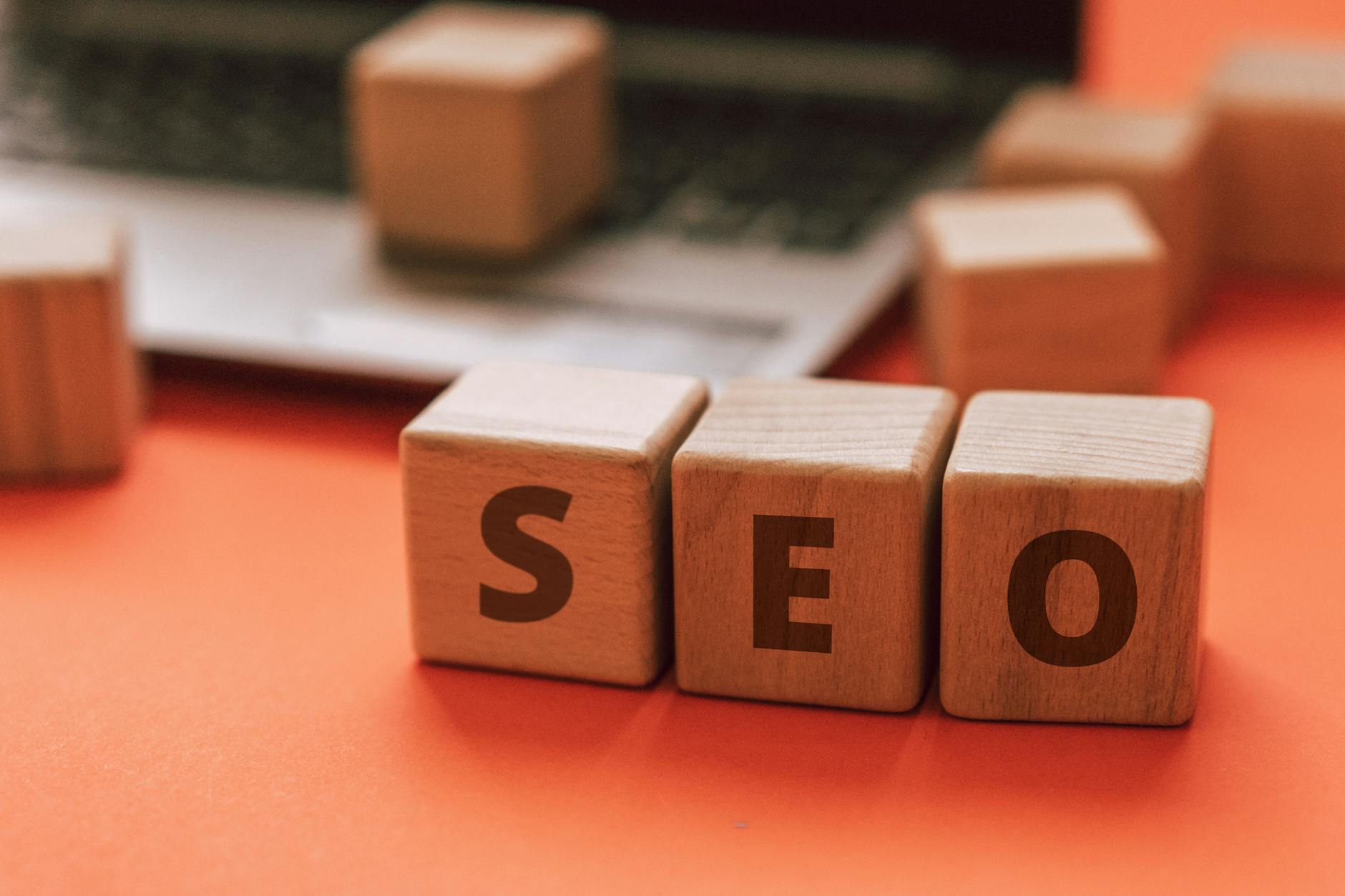
6SEO Expert vs. Digital Marketing Generalist: The Crucial Difference
In the realm of SEO, especially when it comes to specific niches and AI integration, the distinction between an SEO expert and a digital marketing generalist is more pertinent than ever.
- The Generalist: A digital marketing generalist has a broad vision of all areas (SEO, SEM, social networks, email marketing, etc.). They can be useful for comprehensive strategies, but their SEO knowledge is often superficial or outdated compared to a specialist. For a niche, where every detail counts, this can be a disadvantage.
- The SEO Expert: An SEO expert dives deep into how search engines work, algorithmic updates, keyword analysis, technical SEO, link building and content optimization. Understand how Google SGE and AI tools impact positioning and know how to position web niches with AI strategically. Their value lies in their ability to diagnose complex problems, develop customized strategies, and execute advanced tactics that a generalist might overlook.
For your niche website, where specificity is your greatest asset, having an SEO expert who understands your sector and the latest trends in AI is an investment that can make the difference between success and stagnation.
7SEO Glossary: The 50 Terms You Need to Master in 2026
To successfully navigate the world of niche SEO with AI, it is essential to familiarize yourself with the key terminology. Here we present some of the most important terms:
- Google algorithm: Set of rules that Google uses to classify web pages.
- Anchor Text: The visible text of a hyperlink.
- Domain Authority (DA): Metric that predicts the ability of a domain to rank in the results.
- Backlink: Link to an external website that points to yours.
- Black Hat SEO: Unethical SEO practices or that violate Google guidelines.
- Bots/Crawlers: Software programs that crawl the web to index pages.
- Breadcrumbs: Breadcrumbs indicating the location of the current page within the site hierarchy.
- Cache: Saved version of a web page.
- Keyword Cannibalization: When several pages on your site compete for the same keyword.
- Cloaking: Show different content to search engines and users.
- Core Web Vitals: Google metrics to evaluate user experience (speed, interactivity, visual stability).
- CTR (Click-Through Rate): Proportion of clicks that your link receives compared to the number of impressions.
- Structured Data (Schema Markup): Code that helps search engines understand the content.
- Disavow: Inform Google that you do not want certain backlinks to be considered.
- Dofollow/Nofollow: Link attributes that indicate whether search engines should follow a link and pass link juice.
- E-E-A-T: Experience, Expertise, Authority and Trust.
- Google Analytics: Tool to track traffic and user behavior on your website.
- Google Business Profile (GBP): Free business profile to appear in local searches and Google Maps.
- Google Search Console (GSC): Tool to monitor the performance of your site in search results.
- Google SGE (Search Generative Experience): Search experience with answers generated by AI.
- HTML: Markup language used to structure web content.
- HTTP/HTTPS: Hypertext Transfer Protocol (S indicates security).
- Indexing: Process by which Google stores and organizes web content.
- Search Intent: The purpose behind a user's search query.
- Keywords: Terms that users enter into search engines.
- Keyword Research: Process of finding and analyzing the keywords that people use.
- Latent Semantic Indexing (LSI): Keywords semantically related to your main keyword.
- Link Building: Strategy to obtain quality backlinks.
- Long-Tail Keywords: Longer, more specific search phrases.
- Meta Description: Brief summary of a web page that appears in search results.
- Meta Title (Title Tag): The title of a web page that appears in the browser tab and in search results.
- Mobile-First Indexing: Google prioritizes the mobile version of your site for indexing and ranking.
- Niches (Niche): Specific and well-defined market segment.
- Off-Page SEO: Actions taken outside of your website to improve its ranking.
- On-Page SEO: Optimization of elements within your website (content, meta tags, etc.).
- PageRank: Old Google algorithm to measure the importance of pages.
- Positioning: The position of a web page in search results.
- RankBrain: Google AI system that helps process queries and understand intent.
- Crawling: Process of Google bots to discover new pages.
- 301 Redirect: Permanent redirection from one URL to another.
- Robots.txt: File that tells crawlers which parts of your site they can and cannot crawl.
- SERP (Search Engine Results Page): Search engine results page.
- SEO (Search Engine Optimization): Search engine optimization.
- Local SEO: Optimization to appear in searches related to a geographic location.
- Technical SEO: Optimization of the technical infrastructure of a website.
- Sitemap: File that lists all the important pages of a website for search engines.
- Slug: Part of the URL that identifies a particular page in a readable way.
- Bounce Rate: Percentage of visitors who leave the site after viewing a single page.
- Canonical URL: HTML tag that indicates the preferred version of a URL when there are several similar ones.
- White Hat SEO: Ethical SEO practices that comply with Google guidelines.
8FAQ: Frequently Asked Questions on How to Position a Web Niche with AI
8.1How does artificial intelligence affect local SEO?
AI is revolutionizing local SEO by improving search engines' ability to understand localized search intent. It allows for more precise analysis of reviews, geographic search patterns, and personalization of results. For your local business, this means optimizing your Google Business Profile, managing reviews with AI, and creating hyper-localized content are more important than ever. AI helps your business be discovered by users searching for specific products or services in your area.
8.2What role does the quality of web design play in positioning?
Web design is essential for positioning, especially in the era of AI and user experience. A good web design is not only aesthetic, but it is also intuitive, responsive (adapts to all devices), fast and easy to navigate. These factors directly impact Core Web Vitals and bounce rate. A poor design frustrates users, increases the bounce rate and sends negative signals to Google, harming your positioning. An optimized design, on the other hand, improves the user experience and, by extension, SEO.
8.3Should I focus more on On-Page or Off-Page SEO for a niche?
For a niche, both are crucial, but often with a slightly different emphasis. On-Page SEO (quality content, relevant keywords, heading structure, internal technical optimization) is your foundation, and it must be impeccable. Without it, your content will not be found or understood correctly by search engines. However, in a niche, competition can be fierce, and that is where Off-Page SEO, particularly quality link building and authority building, will help you differentiate yourself and climb positions. A balanced strategy that uses AI to enhance both is ideal.
8.4Can AI completely replace an SEO expert?
No, AI cannot completely replace an SEO expert, at least not in the foreseeable future. AI is a powerful tool that can automate tasks, analyze large volumes of data, and even generate content drafts. However, strategy, creativity, deep understanding of human intent, interpretation of complex data, ethical decision making, and the ability to adapt to unforeseen changes in algorithms remain the domain of the human expert. AI is an exceptional co-pilot, but the pilot remains the SEO professional.
8.5How can I keep my web niche competitive in a market dominated by AI?
To keep your web niche competitive in this new paradigm, you must embrace AI, not fear it. Here I leave you some keys:
- Deep Specialization: Focus on being the undisputed authority in a very specific sub-niche.
- Superior E-E-A-T Content: Demonstrate experience, knowledge, authority and confidence in each piece of content. This is something that Google's AI values above all else.
- Smart AI Integration: Use AI for keyword research, idea generation, content optimization and data analysis, but always with human supervision and the touch of your own expertise.
- Unbeatable User Experience: Optimize your web design and loading speed to offer a smooth experience.
- Community Building: Foster an active community around your niche. This builds loyalty and authority.
- Constant Adaptation: SEO with AI is a constantly changing field. Stay up to date with the latest trends and algorithms.
9Conclusion
Positioning a niche website in 2026 is an exciting challenge that demands a deep understanding of SEO and a strategic integration of artificial intelligence. From thorough keyword research to creating content that breathes E-E-A-T, through technical optimization and constant measurement of results, each step can be powered by AI tools that act as your high-performance assistant.
Remember that AI is not a magic wand, but a tool that, in the hands of an SEO strategist with vision, can catapult your web niche to the top positions. The key is to combine the efficiency and analysis of AI with authenticity, experience and human creativity. By mastering how to position web niche with AI, you will not only reach your target audience, but you will establish yourself as an undisputed authority in your sector. It's time to act, experiment, and reap the rewards of a smart, future-proof SEO strategy.